Triazinamide (Key Intermediate for Pymetrozine / CAS No.: 136738-23-3 )
Common Name: Triazinamide
Standard Chemical Name: 4-Acetamido-6-methyl-3-oxo-2,3,4,5-tetrahydro-1,2,4-triazine (Alias: P4 intermediate of pymetrozine)
Full English Name: N-(6-Methyl-3-oxo-2,5-dihydro-1,2,4-triazin-4(3H)-yl)acetamide
Molecular Formula: C6H10N4O2, Molecular Weight: 170.17
HS Code: 2933699090 (Nitrogen-containing heterocyclic organic compound)
1. Physical and Chemical Properties
1.1 Physical Properties
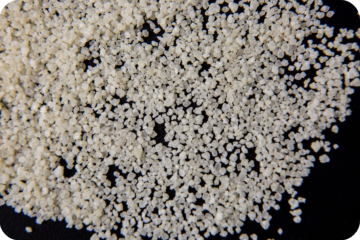
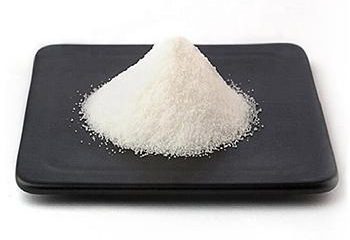
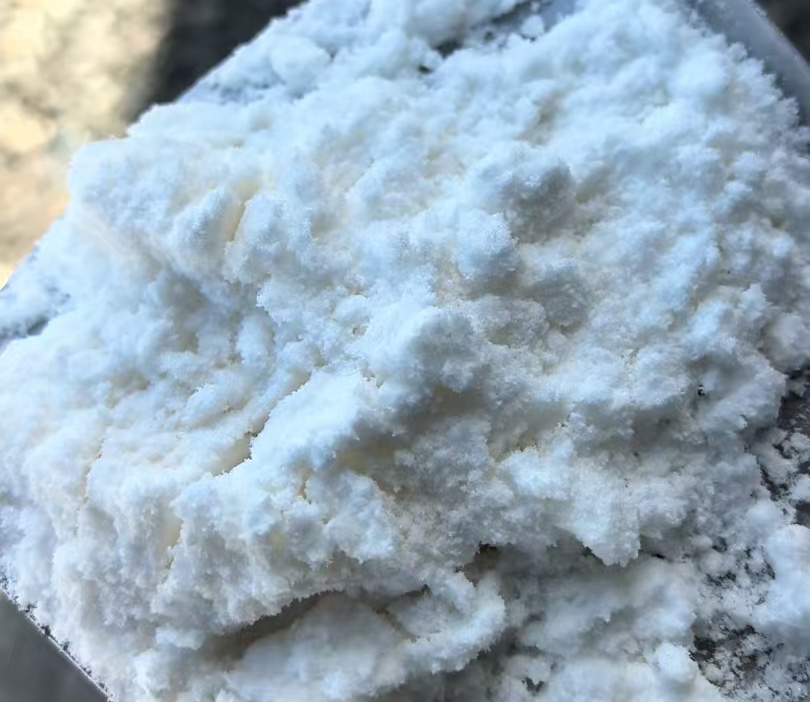
- Appearance: White or off-white crystalline powder, odorless; purity ≥98% for qualified industrial grade products.
- Melting point: 180~185°C (decomposes upon heating, no boiling point under normal atmospheric pressure).
- Density: 1.43g/cm³ at 20°C; refractive index:1.630.
- Solubility: Slightly soluble in cold water at ambient temperature; soluble in hot water, methanol, ethanol, DMF and other polar organic solvents; insoluble in non-polar solvents including benzene, alkanes and ethyl acetate.
- Acidity & Alkalinity: Weakly neutral; pH of saturated aqueous solution ranges from 6.5 to7.5; negligible hygroscopicity at room temperature and gradually agglomerates under high humidity.
- Octanol-water partition coefficient LogP=-0.708 with strong polarity.
1.2 Chemical Characteristics
- Stability: Stable under dry and hermetically sealed conditions at ambient temperature; decomposes above 180°C to release toxic fumes of nitrogen oxides, carbon monoxide and ammonia derivatives.
- Acid-base reaction: The amide bond undergoes hydrolysis when heated with concentrated strong acids (hydrochloric acid, sulfuric acid) to produce aminotriazine and acetic acid; ring-opening hydrolysis also occurs upon heating with concentrated strong alkalis.
- Incompatible substances: Never mix with strong oxidants (hydrogen peroxide, permanganate, chlorate), strong acid anhydrides and isocyanates; mixing may trigger exothermic reaction, gas generation and deterioration.
- Characteristic reaction: Featuring intramolecular triazinone ring and acetamido structure, it conducts condensation with pyridinecarboxaldehyde and serves as the exclusive core raw material for industrial production of insecticide pymetrozine.
2. Main Applications
2.1 Pesticide Industry (Core Application, 95% of total consumption)
Special synthetic intermediate for global pymetrozine technical material. Condensation of triazinamide with 3-pyridinecarboxaldehyde yields pymetrozine, an insecticide targeting piercing-sucking pests. Widely applied on rice, wheat, fruits and vegetables to control aphids, planthoppers, whiteflies and leafhoppers. Around 0.82 tons of triazinamide is consumed per ton of pymetrozine.
2.2 Fine Chemical & Pharmaceutical Intermediates
- Raw material for triazine derivative synthesis to prepare anthelmintic and antifungal pharmaceutical intermediates.
- Intermediate for water treatment flocculant additives, resin modifiers and dyestuff production.
2.3 Laboratory Reagent
Standard material for heterocyclic organic synthesis research; reagent grade purity reaches 99.5%.
3. Toxicology & Health Hazards (GHS Classification: Irritant, Signal Word: WARNING)
3.1 Acute Toxicity
- Oral LD₅₀ (rat)>2000mg/kg, low-toxic substance rather than highly toxic; massive accidental ingestion causes nausea, stomachache, gastrointestinal spasm, dizziness and fatigue.
- Dermal LD₅₀>3000mg/kg; no poisoning risk via skin absorption except local irritation.
- Inhalation hazard: Dust irritates upper respiratory tract; high-concentration dust leads to sore throat, cough and chest tightness with no fatal inhalation cases reported.
3.2 Local Irritation (Primary Hazard)
- Skin contact: Long-term direct exposure causes erythema, itch and allergic dermatitis (GHS Skin Irritation Category 2).
- Eye contact: Powder splashing into eyes leads to sharp stinging and conjunctival swelling, occasionally temporary corneal injury (GHS Serious Eye Damage/Eye Irritation Category 2A).
3. Chronic & Environmental Toxicity
- Long-term low-dose exposure: No confirmed carcinogenic or teratogenic evidence; persistent dust inhalation may induce chronic pharyngitis.
- Aquatic toxicity: Low toxicity to fish, shrimp and algae; direct discharge into surface water or sewer is prohibited and waste liquid must be pre-treated to meet emission standards. Biodegradation cycle in soil is 25~45 days with negligible bioaccumulation.
3.4 First-Aid Treatment
- Skin contamination: Remove contaminated clothing immediately and flush affected skin with running water for 15 minutes; seek medical care for erythema and itch.
- Eye exposure: Hold eyelids open and continuously irrigate eyes with abundant clean water for over 15 minutes before medical treatment.
- Ingestion: Induce vomiting with warm drinking water; forced gastric lavage is forbidden and symptomatic hospital treatment is required.
- Dust inhalation: Move victim to well-ventilated area for fresh air and oxygen therapy; consult doctor for respiratory discomfort.
4. Storage Specifications
- Warehouse requirement: Cool, dry and shaded storage below 30°C, far from strong acids, oxidants, heat and open flames; optimal long-term storage temperature: 2~8°C.
- Packaging: 25kg fiber drum lined with inner PE plastic bag for industrial use; 1kg sealed aluminum foil bag for lab test; all packages must be fully sealed against moisture and caking.
- Separated storage: Store independently away from strong acids, alkalis, oxidants and food materials; mixed storage is strictly banned.
- Shelf life: 12 months for intact original sealed package; use within 3 months once opened. Caked product remains chemically qualified after drying.
5. Land & Ocean Transportation Requirements
5.1 Hazard Classification
Non-flammable, non-explosive and non-highly toxic regular chemical without UN hazard code; shipped by ordinary chemical trucks domestically and general cargo vessels by sea.
5.2 Packaging & Shipping Rules
- Keep packages intact and sealed to avoid powder leakage; outer package marked with chemical name, irritant hazard label and moisture-proof remark.
- Stacking limit: Max 3 layers for fiber drums to prevent package breakage; transport in fully enclosed vehicles on rainy days for rain and moisture protection.
- Loading restriction: Do not load together with strong acids, bleaching powder, strong oxidants, food and feedstuff in the same compartment.
- Bulk transport forbidden: No open bulk delivery without inner lining.
5.3 Spill Emergency Handling
- Minor leakage: Collect spilled powder into empty drums, clean residues and adsorb leftover dust with sand; never flush into sewer directly.
- Massive leakage: Isolate contaminated area; operators wear dust mask and nitrile gloves to avoid dust dispersion.
6. Fire Fighting Guidelines
- Combustion property: Non-combustible itself but generates toxic NOₓ, CO fumes upon thermal decomposition; heated containers may swell and rupture under fire condition.
- Suitable extinguishing agents: Dry powder, carbon dioxide and water mist; high-pressure direct water jet is prohibited to stop dust diffusion and water pollution.
- Firefighter protection: Wear gas mask and chemical protective suit and operate at upwind side; collect all fire wastewater for centralized treatment against random drainage.
7. Personal Protection for Operators (Production & Packing Posts)
- Respiratory protection: KN95 dust respirator required under dusty environment.
- Body protection: Nitrile gloves, dust-proof working uniform and safety goggles.
- Site management: Adopt closed feeding and local exhaust ventilation in workshop; wash face and hands after work; eating, drinking and smoking are prohibited on working site.