Technology
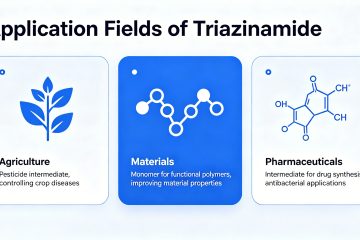
Application Fields of Triazinamide
Triazinamide is a key intermediate for pesticides and pharmaceuticals, widely used in fine chemical synthesis.
Triazinamide is a key intermediate for pesticides and pharmaceuticals, widely used in fine chemical synthesis.
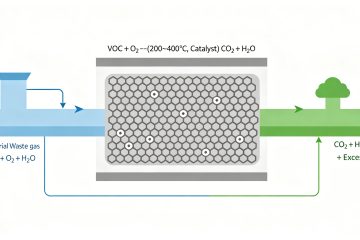
Full name: Volatile Organic Compounds Oxidation Catalysts. Core principle: At moderate temperature of 200–400 ℃, catalysts activate oxygen to completely oxidize benzene, esters, ketones, alcohols and other VOCs in waste gas into carbon dioxide and water without secondary solid waste. They are core consumables for RCO & RTO regenerative catalytic Read more

1. Catalyst Product Introduction After more than 20 years of R&D, the company has developed a full series of high-performance VOCs catalysts including general high-efficiency type, long/short-chain alkane type, sulfur poisoning resistant type, chlorine poisoning resistant type, high nitrogen selective type and dedicated catalyst for partial oxidation tail gas. These Read more
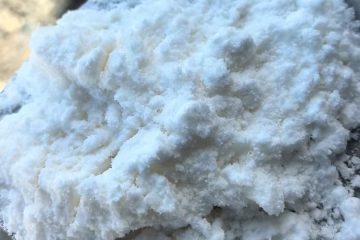
Common Name: Triazinamide CAS No.: 136738-23-3 Standard Chemical Name: 4-Acetamido-6-methyl-3-oxo-2,3,4,5-tetrahydro-1,2,4-triazine (Alias: P4 intermediate of pymetrozine) Full English Name: N-(6-Methyl-3-oxo-2,5-dihydro-1,2,4-triazin-4(3H)-yl)acetamide Molecular Formula: C6H10N4O2, Molecular Weight: 170.17 HS Code: 2933699090 (Nitrogen-containing heterocyclic organic compound) 1. Physical and Chemical Properties 1.1 Physical Properties 1.2 Chemical Characteristics 2. Main Applications 2.1 Pesticide Industry (Core Application, Read more

VOCs in industrial waste gas mostly exist in the form of mixtures, such as coexisting benzene series, esters and alkanes. Competitive adsorption widely occurs among different components on the catalyst surface. Some refractory components can inhibit the catalytic combustion efficiency of easily oxidized components. Catalyst formulation can rationally designed to Read more

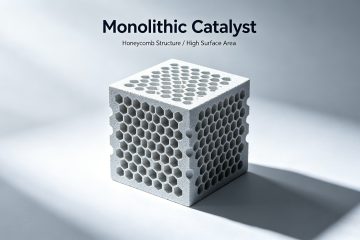
1. Basic Introduction of Three Catalyst Types (1)Metal Honeycomb Monolith Catalyst Made of ultra-thin Fe-Cr-Al alloy foil as the substrate, processed into regular honeycomb structure via stamping, winding and brazing. Its surface is loaded with γ-Al₂O₃ rare earth coating and nano-scale Pt/Pd/Pt-Pd noble metal active components. As a monolithic honeycomb Read more
(especially vanadium/chromium/cobalt-based and noble metal catalysts) 1. Physical Regeneration Methods 2. Chemical Regeneration Methods 3. Combined Regeneration Methods Process flow: High-pressure purging → Solvent cleaning → Dilute acid/alkali washing → Water washing & drying → High-temperature calcination → Reduction activation → Active component replenishment Applicable scenario: Composite deactivation with carbon Read more

In the middle and late development stage of offshore oilfields, harsh conditions such as high salinity, high temperature, strong ion corrosion, limited platform space and extremely high operating costs restrict the application of conventional polymers. SMAS-based polymers have become the preferred material for offshore development for the following reasons:
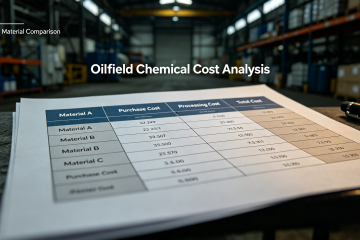
Although the monomer price of Sodium Methallyl Sulfonate (SMAS) is slightly higher than acrylamide, SMAS‑based polymers show outstanding advantages in cost control during middle and late oil production.

In the middle and late stage of water flooding, reservoirs are featured with developed high-permeability channels, severe heterogeneity, high temperature and high salinity. Conventional gel systems are prone to dehydration, shrinkage, structural degradation and near-wellbore plugging, failing to reach deep formation. Compared with conventional gels, the gel system prepared with Read more