Comprehensive Technical Document for Triazinamide
I. Basic Information and Physicochemical Properties
Chinese Name: Triazinamide (Synonyms: Pymetrozine P4, 4-Acetamido-6-methyl-3-oxo-2,3,4,5-tetrahydro-1,2,4-triazine)
English Name: N-(6-METHYL-3-OXO-2,3-DIHYDRO-1,2,4-TRIAZIN-4(5H)-YL)ACETAMIDE
CAS Number: 136738-23-3
Molecular Formula & Weight: C₆H₁₀N₄O₂, 170.169
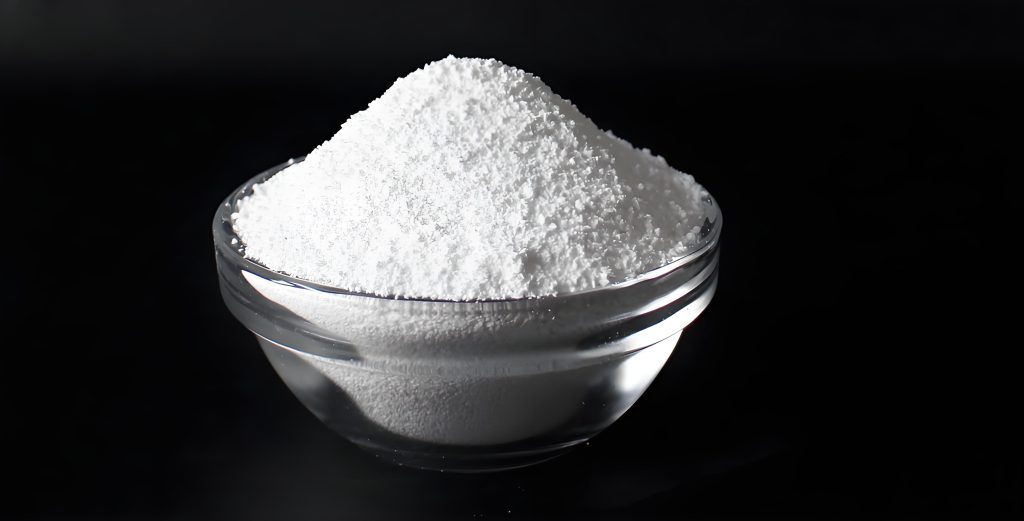
Appearance: White or off-white crystalline powder.
Physical Parameters: Density: 1.4 ± 0.1 g/cm³; Refractive Index: 1.630; LogP: -2.09; Polar Surface Area (PSA): 80.78.
Solubility & Stability: Soluble in hot water and organic solvents; exhibits good thermal stability.
II. Application Areas
Pesticide Intermediate: Serves as a core raw material for synthesizing triazine insecticides (e.g., pymetrozine), highly effective against sucking pests (e.g., aphids, planthoppers).
Pharmaceutical Intermediate: Participates in the synthesis of targeted drugs (e.g., for treating IGF-II-positive breast cancer and gastric cancer) by inhibiting the IGF-II signaling pathway to block tumor cell growth.
Other Industrial Applications: Widely used in the synthesis of polymer materials, flame retardants, dyes, and OLED (Organic Light-Emitting Diode) materials.
III. Synthetic Process Routes
Mainstream Process (Aminolysis Ring-Closure Method): Uses oxadiazolone and chloroacetone as raw materials and toluene as a solvent, prepared via cyclization, alkylation, and condensation reactions. This process utilizes temperature-controlled dropwise addition to improve reactor efficiency, reduce acetone consumption, and achieve an overall yield of 84%~86%.
Cutting-Edge Technological Breakthroughs: Recent advancements in green and efficient processes include using lipase LIP-800 as a catalyst to achieve 99% selectivity. Combined with continuous flow equipment, production efficiency can be increased by 4 times, with a 28% reduction in carbon emissions.
IV. Conversion Steps for Downstream Pesticide (Pymetrozine)
The conversion of triazinamide into the final active pesticide ingredient, pymetrozine, mainly involves two steps:
Hydrolysis Reaction (Deacetylation): Triazinamide is mixed with an organic solvent and hydrolyzed under acidic conditions (e.g., adding hydrochloric acid) to remove the acetyl group, generating the key intermediate—N-amino-4-methyl-2,3,6-triazinone (amino-triazinone). After the reaction, it is neutralized with an alkaline solution, separated, and dried to obtain the intermediate.
Condensation Reaction (Pymetrozine Generation): Amino-triazinone is dissolved in an organic solvent, and a catalyst (e.g., MOF-5 or Raney Nickel) is added, followed by the slow dropwise addition of a 3-cyanopyridine (nicotinonitrile) solution. A one-pot catalytic hydrogenation condensation reaction occurs at 50-55°C. After the reaction, the catalyst is filtered out, the solvent is removed via vacuum distillation, and the product is purified by recrystallization to obtain high-purity pymetrozine.
V. Key Information from MSDS (Safety Data Sheet)
Hazard Identification: Thermally stable, but may release toxic or irritating gases (such as ammonia and nitrogen) at high temperatures. Direct contact may irritate the skin, eyes, and respiratory tract.
First Aid Measures:
Skin Contact: Remove contaminated clothing and wash thoroughly with soap and plenty of water.
Eye Contact: Lift eyelids and flush with flowing water or physiological saline for at least 15 minutes; seek medical attention.
Inhalation: Move to fresh air, keep the airway open; administer oxygen and seek medical help if necessary.
Ingestion: Do NOT induce vomiting. Rinse the mouth, drink an appropriate amount of warm water, and seek medical attention immediately.
Fire Fighting Measures: Decomposes upon heating to release ammonia and nitrogen. Firefighters must wear gas masks and full protective gear, fight fires from upwind, and use water mist, dry powder, foam, or carbon dioxide extinguishers.
Accidental Release Measures: Cordon off the contaminated area and restrict access. Emergency personnel must wear dust masks and protective equipment, collect the spill with a clean shovel, and place it in dry, clean, covered containers for centralized disposal.
Handling and Storage: Operate in a closed system with local exhaust ventilation; keep away from ignition and heat sources. Store at 2-8°C in a cool, dry, well-ventilated warehouse. Keep containers tightly sealed and store separately from oxidizers.
Personal Protection: Wear a dust mask when dust concentration exceeds standards; wear chemical safety goggles, general work protective clothing, and rubber gloves.
Import/Export Information: HS Code is 2933699090 (Other compounds containing an unfused triazine ring in the structure).
Disclaimer: This technical document is compiled based on currently available public data and is for academic research and industrial reference only. In actual industrial production, transportation, or procurement, please request the complete official MSDS report for the corresponding batch from the supplier and strictly comply with local safety and environmental regulations.