VOCs Catalysts
1. Catalyst Product Introduction
After more than 20 years of R&D, the company has developed a full series of high-performance VOCs catalysts including general high-efficiency type, long/short-chain alkane type, sulfur poisoning resistant type, chlorine poisoning resistant type, high nitrogen selective type and dedicated catalyst for partial oxidation tail gas. These products are widely used for complex organic waste gas from petroleum & petrochemical, rubber processing, organic chemical synthesis, pharmaceutical manufacturing, coating processing, fine chemical, polymer material, industrial coating and packaging printing industries, supporting stable compliant emission via Catalytic Oxidation (CO) and Regenerative Catalytic Oxidation (RCO).
1.1 Product Models and Application Scenarios
- General High-efficiency Catalyst: Conventional industrial waste gas containing aromatic hydrocarbons, alcohols, ethers and esters
- Short-chain Alkane Catalyst: Propane-rich tail gas from acrylonitrile and acrylic acid production, refinery exhaust and oil & gas recovery
- Long-chain Alkane Catalyst: Waste gas from polybutadiene and styrene-butadiene rubber production containing n-hexane, cyclohexane, styrene and other components
- Partial Oxidation Tail Gas Catalyst: Waste gas with high-concentration CO and VOCs from formaldehyde, maleic anhydride and phthalic anhydride partial oxidation processes
- Sulfur Poisoning Resistant Catalyst: Waste gas containing H₂S, COS, mercaptans and other sulfur-bearing substances
- Chlorine Poisoning Resistant Catalyst: Halogenated hydrocarbon waste gas such as dichloromethane and dichloroethane from pharmaceutical chemistry as well as PTA waste gas
- Special Catalyst for Nitrogen-containing VOCs: Waste gas with acrylonitrile, triethylamine, DMF and other nitrogen-containing organics
- CO Specific Catalyst: High-concentration carbon monoxide waste gas from low-temperature methanol washing process
- Ammonia Oxidation Catalyst: Ammonia-containing waste gas from petrochemical wastewater treatment plants
1.2 Product Specifications
(1) Substrate: Cordierite ceramic honeycomb, FeCrAl metallic honeycomb
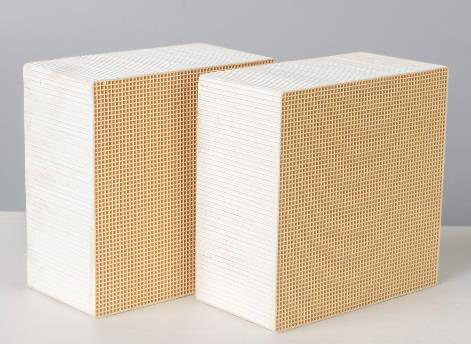
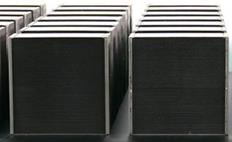
(2) Dimensions: 22.15″×23.15″×3.5″ (565×590×90mm), 150×150×100mm, 100×100×50mm; customized sizes available upon request
(3) Cell count: 200 cpsi, 300 cpsi, 400 cpsi
2. Features and Advantages of Catalysts
2. Wide product range and broad applicability
The full-spectrum VOCs catalysts can be used independently or in combination to treat complex organic waste gas from petrochemical, rubber, organic chemical, pharmaceutical, fine chemical, polymer, coating, printing and petrochemical wastewater treatment industries.
2.1 Excellent selectivity to avoid secondary pollution
(1) Long & short-chain alkane dedicated catalysts feature high catalytic activity and good anti-sintering performance with long service life, reducing secondary pollution and improving process safety.
(2) Chlorine-resistant VOCs catalysts have outstanding anti-poisoning capacity to completely oxidize halogenated organics without polychlorinated by-products or dioxin generation.
(3) Nitrogen-containing VOCs catalysts convert nitrogen elements in nitriles, amines and amides directly into nitrogen gas to prevent NOₓ generation.
2.2 High catalytic activity for easy emission compliance
Adopting exclusive high-activity nano-materials and directional loading technology with synergistic multiple active components and additives, the catalysts feature excellent temperature and poison resistance to thoroughly decompose VOCs and realize steady compliant discharge.
2.3 Stable catalytic performance and long service life
With self-developed durable base materials and proprietary precious metal coating technology, the catalysts boast superior anti-sintering and hydrothermal stability and maintain high catalytic activity for long-term operation.
3. Typical Application Fields
- Catalytic oxidation of acrylonitrile production tail gas
- Catalytic oxidation of acrylic acid production tail gas
- Tail gas treatment for phthalic anhydride and maleic anhydride production
- Tail gas purification of polybutadiene and styrene-butadiene rubber plants
- Waste gas treatment for formaldehyde production by methanol oxidation
- Catalytic disposal of PTA plant waste gas
- Waste gas treatment for phenol and acetone production units
- Exhaust treatment of ABS production
- Catalytic oxidation of styrene production tail gas
- Treatment of complex chlorine-containing waste gas in pharmaceutical industry
- Organic waste gas treatment for fine chemical projects
- CO tail gas treatment for low-temperature methanol washing in coal chemical plants
- Tail gas treatment for polyacrylamide production
- Catalytic oxidation of refinery waste gas
- Waste gas treatment of petrochemical wastewater treatment systems
4. Typical Application Cases
Case 1: Tail gas from propylene ammoxidation to acrylonitrile
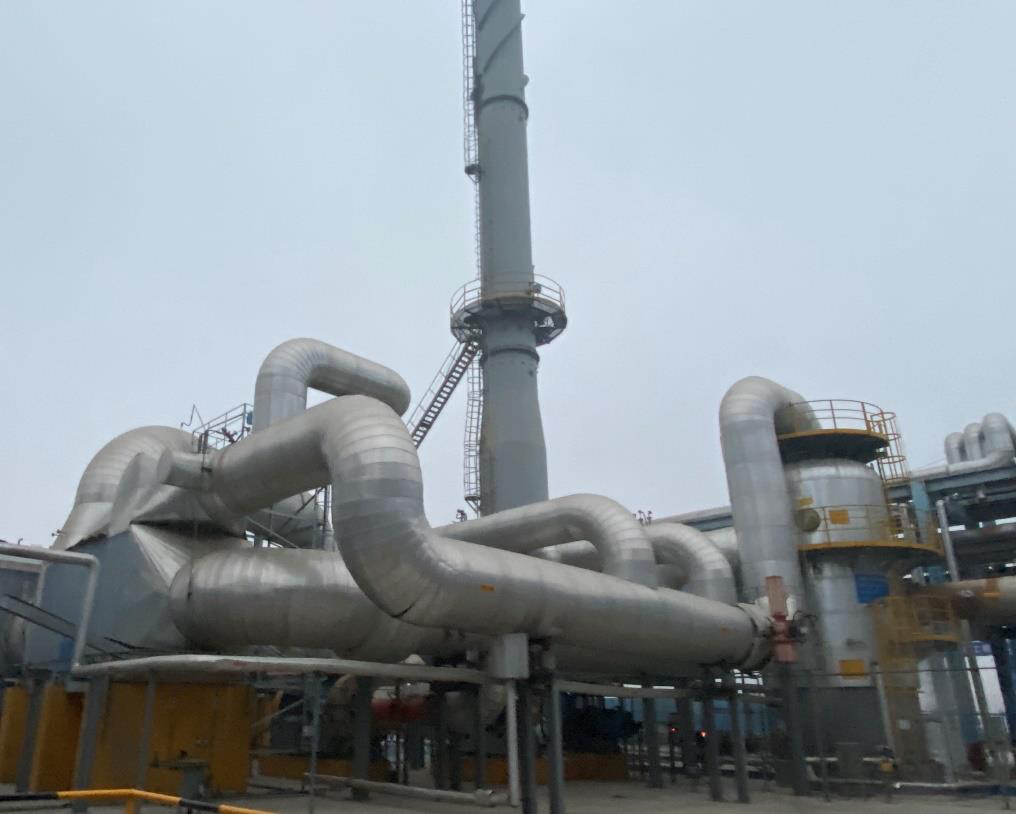
- Treatment process: AOGC catalytic oxidation
- Waste gas components: Propane, propylene, CO, acrylonitrile, hydrogen cyanide, acetonitrile
- Removal efficiency: ≥99.5%
Case 2: Oxidation tail gas of phenol & acetone unit
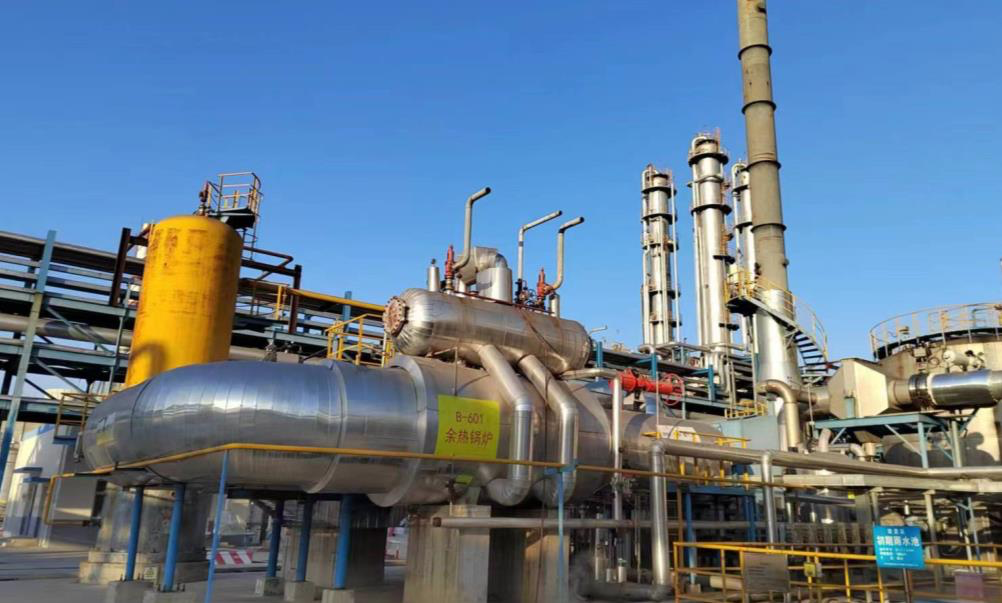
- Treatment process: Catalytic oxidation
- Waste gas components: Cumene, acetone, methanol, propane, phenol
- Removal efficiency: ≥99.5%
Case 3: ECS waste gas from formaldehyde production
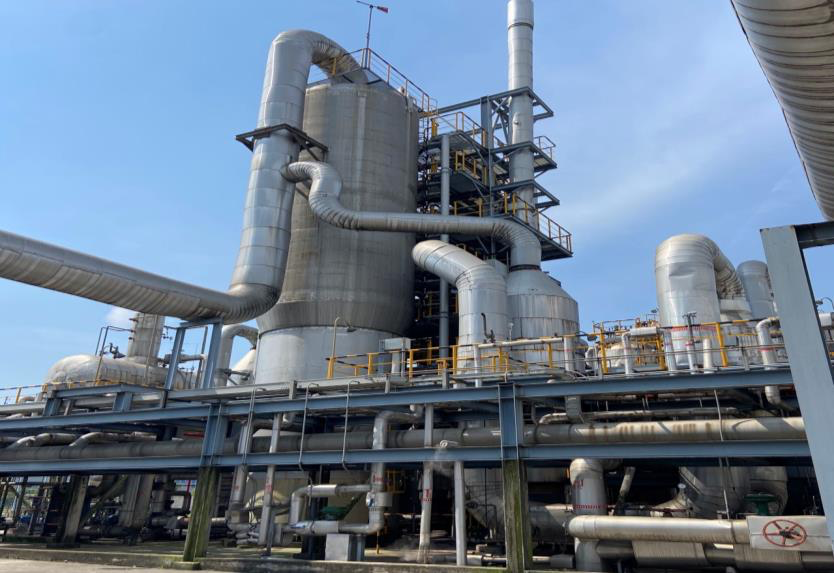
- Treatment process: Catalytic oxidation
- Waste gas components: CO, formaldehyde, dimethyl ether, methanol
- Removal efficiency: ≥99.8%
Case 4: Tail gas of polybutadiene & styrene-butadiene rubber
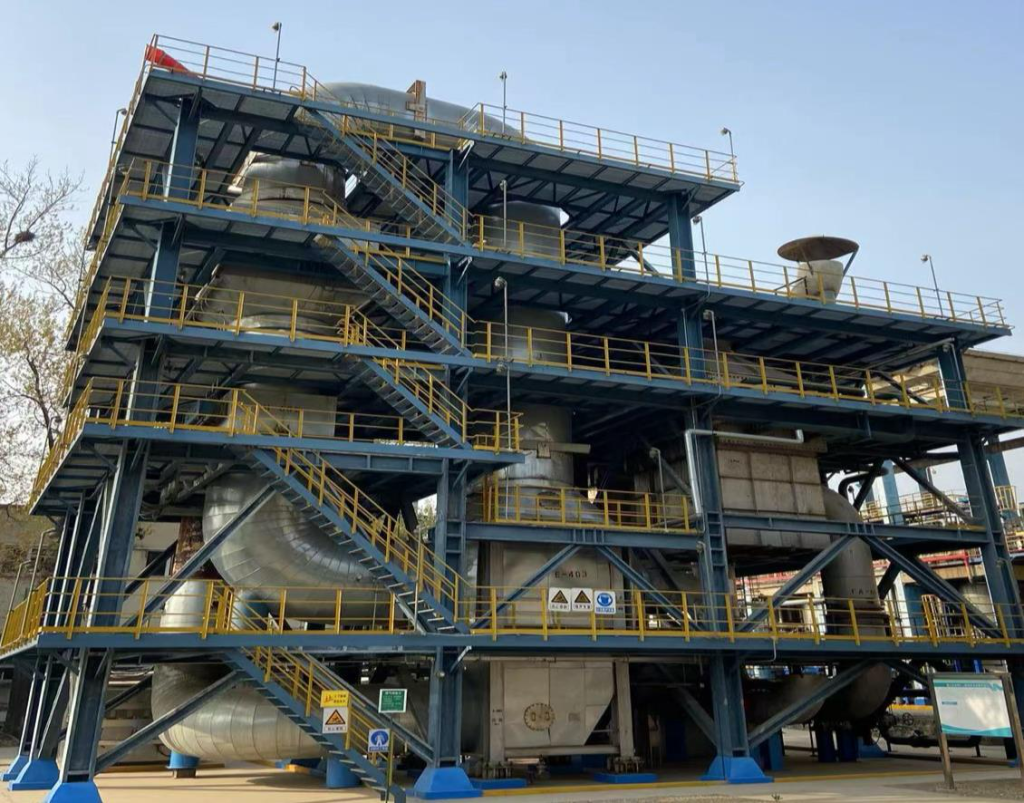
- Treatment process: Catalytic Oxidation / RCO
- Waste gas components: n-hexane, cyclohexane, styrene, butadiene
- Removal efficiency: ≥99.5%
Case 5: Fine chemical waste gas
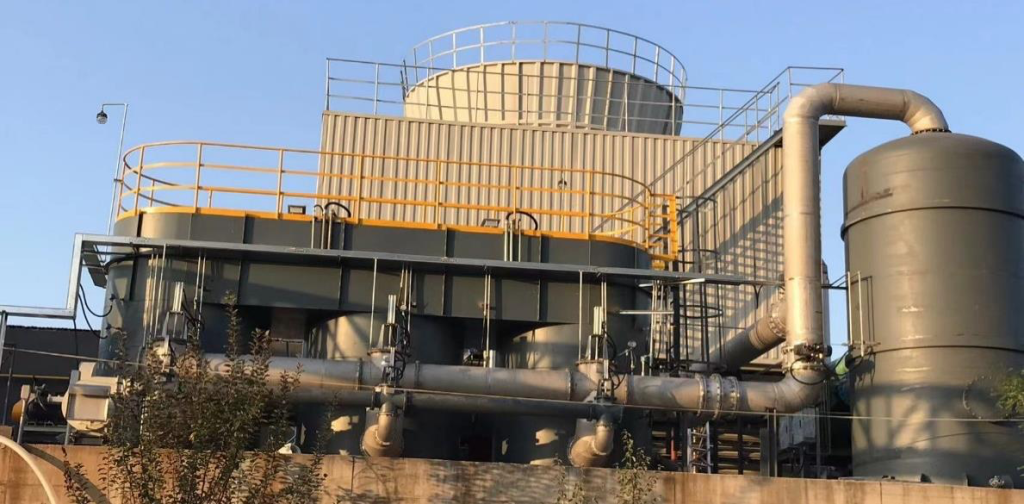
- Treatment process: RCO regenerative catalytic combustion
- Waste gas components: Formaldehyde, acetaldehyde, propionaldehyde, butyraldehyde, acrolein, dimethylpropionaldehyde, isobutyraldehyde, ethylacrolein, methanol, ethanol, tert-butanol, diethylene glycol, toluene, acetic acid, ethylenediamine, diethanolamine oxalate, methyl naphthyl ether, ethyl naphthyl ether, naphthol, diethyl ether, furfural, furfuryl alcohol, dimethylfuran, MTBE, DETB and other organics
- Removal efficiency: ≥99%
Case 6: Pharmaceutical chemical waste gas
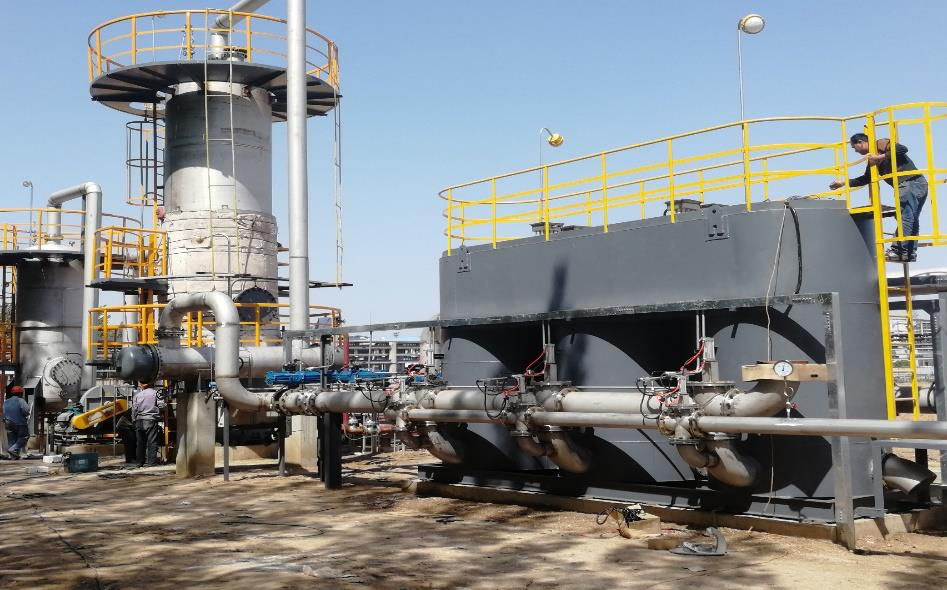
- Treatment process: RCO regenerative catalytic combustion
- Waste gas components: Dichloromethane, pyridine, ethanol, methanol, toluene, ethyl acetate
- Removal efficiency: ≥99%
Case 7: Synthetic material waste gas
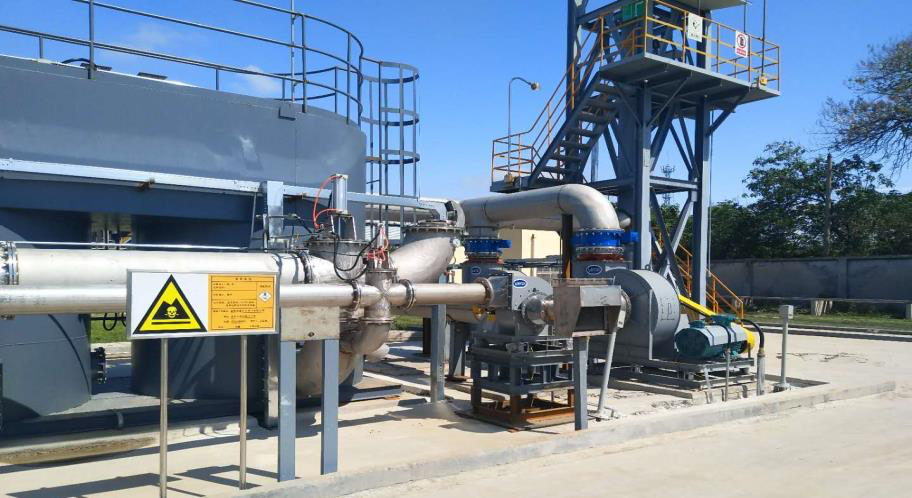
- Treatment process: RCO regenerative catalytic combustion
- Waste gas components: Methyl methacrylate, butyl acrylate, vinyl acetate, styrene and trace acrylonitrile
- Removal efficiency: ≥99%
Case 8: Coating chemical waste gas
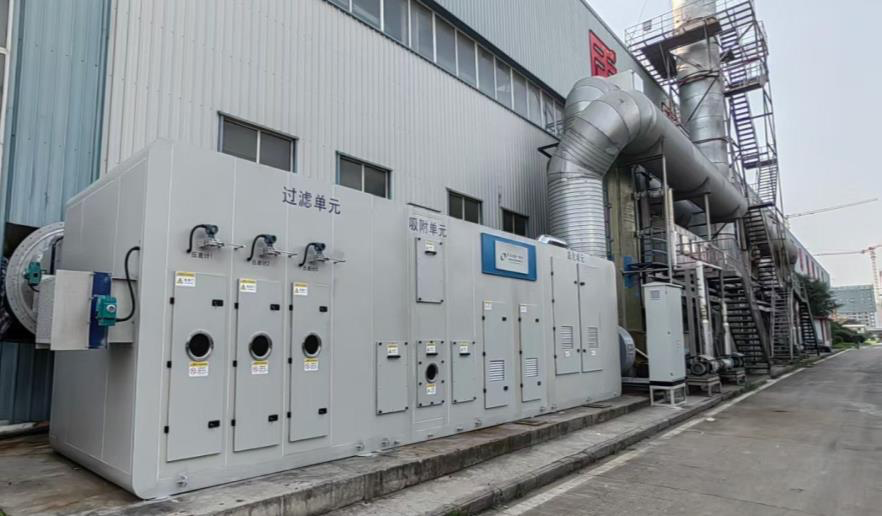
- Treatment process: Zeolite rotor + CO catalytic combustion
- Waste gas components: Xylene, trimethylbenzene, tetramethylbenzene, butanol, propylene glycol methyl ether acetate, propylene glycol methyl ether, ethanol, ethyl acetate, No.100 solvent oil
- Removal efficiency: ≥99%
Case 9: Adhesive production waste gas
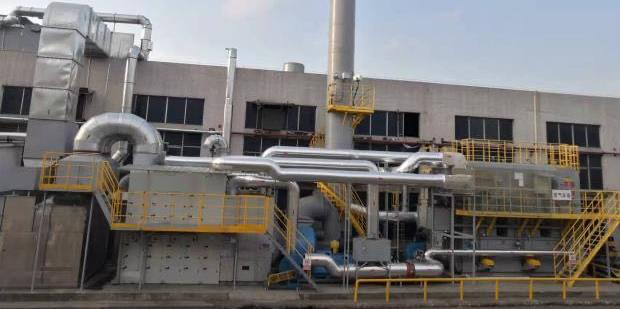
- Treatment process: RCO regenerative catalytic combustion
- Waste gas components: Styrene, benzyl alcohol, C3-C5 alkane alcohols, polyethylene glycol dimethyl ether, dimethylamine, diethylamine, methylethylamine, methylamine
- Removal efficiency: ≥99%
Case 10: Color coating industry waste gas
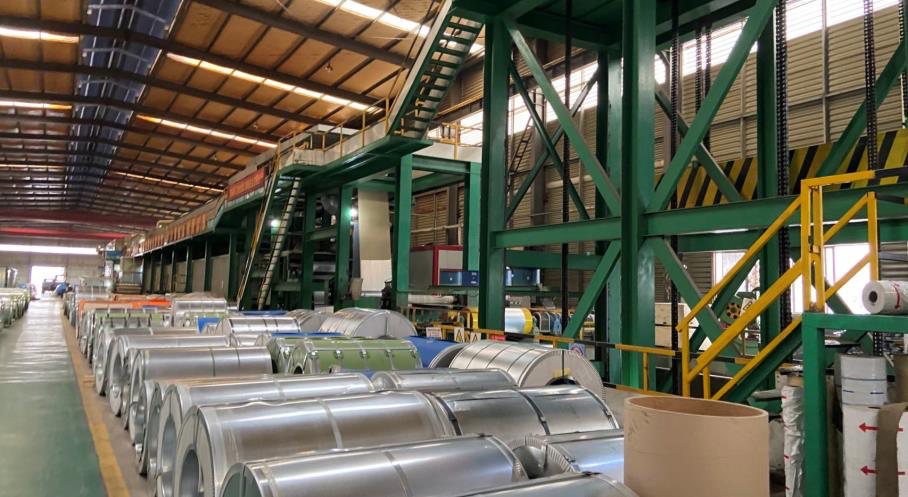
- Treatment process: Direct CO catalytic combustion
- Waste gas components: Alkyl benzene, cyclohexanone, propylene glycol methyl ether acetate
- Removal efficiency: ≥99%