Advantages of Sodium Methallyl Sulfonate (SMAS)-Based Polymers in Mid-to-Late Offshore Oilfield Development
In the middle and late development stage of offshore oilfields, harsh conditions such as high salinity, high temperature, strong ion corrosion, limited platform space and extremely high operating costs restrict the application of conventional polymers.
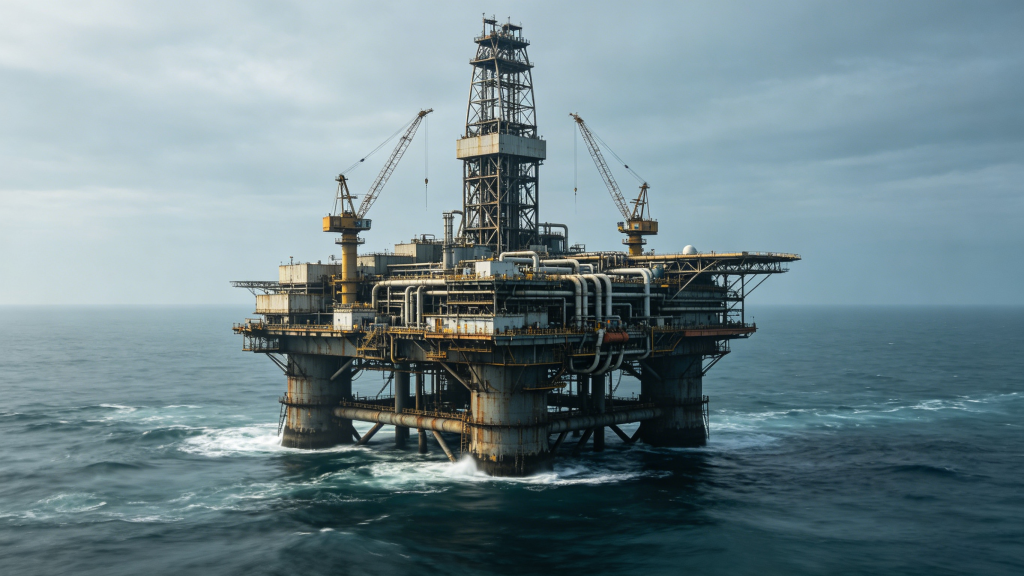
SMAS-based polymers have become the preferred material for offshore development for the following reasons:
- Outstanding temperature and salt resistance
With dense sulfonate groups and methyl steric hindrance structure, SMAS polymers strongly resist erosion of calcium, magnesium and chloride ions in offshore formation water, avoiding molecular curling, flocculation and viscosity loss under high-salinity environment. - Seawater direct compounding performance
Offshore fresh water supply is scarce and costly. Unlike common polyacrylamide, SMAS polymers can be directly dissolved and prepared with seawater, reducing the cost of fresh water storage, transportation and desalination equipment on offshore platforms. - Excellent mechanical shear resistance
Offshore high-pressure injection and long-distance pipelines cause strong shear damage. The rigid branched molecular structure of SMAS effectively prevents chain fracture and viscosity attenuation, maintaining stable performance during field injection. - Long-term effectiveness and low operation frequency
Offshore construction, shipping and platform operations are expensive. SMAS modified polymers feature high thermal-alkali stability and long valid period, minimizing repeated injection, well shutdown and offshore operating times to cut overall costs. - Low adsorption and eco-friendly performance
SMAS polymers show low rock adsorption loss and weak corrosiveness. Its mild and degradable components meet strict marine environmental protection regulations, reducing marine pollution risks in offshore chemical flooding. - Good compatibility and deep reservoir regulation
It has excellent compounding stability with surfactants and alkali agents. It can form a stable low interfacial tension system, realize deep migration and fluid diversion, and effectively enhance oil washing efficiency and sweeping volume for heterogeneous offshore reservoirs.